

Turf Care Blog
Derek Spencer • June 14, 2026
The Turf Care PA blog is your local resource for building a healthier, greener lawn in Southeastern Pa. From seasonal fertilization and weed control to aeration, overseeding, and soil health, we share practical advice tailored to turf-type tall fescue and southeastern Pennsylvania growing conditions. Our goal is to help homeowners understand what their lawns need, when treatments should be applied, and how professional care creates stronger, longer-lasting results.
When Should You Aerate and Overseed Tall Fescue in Pennsylvania?
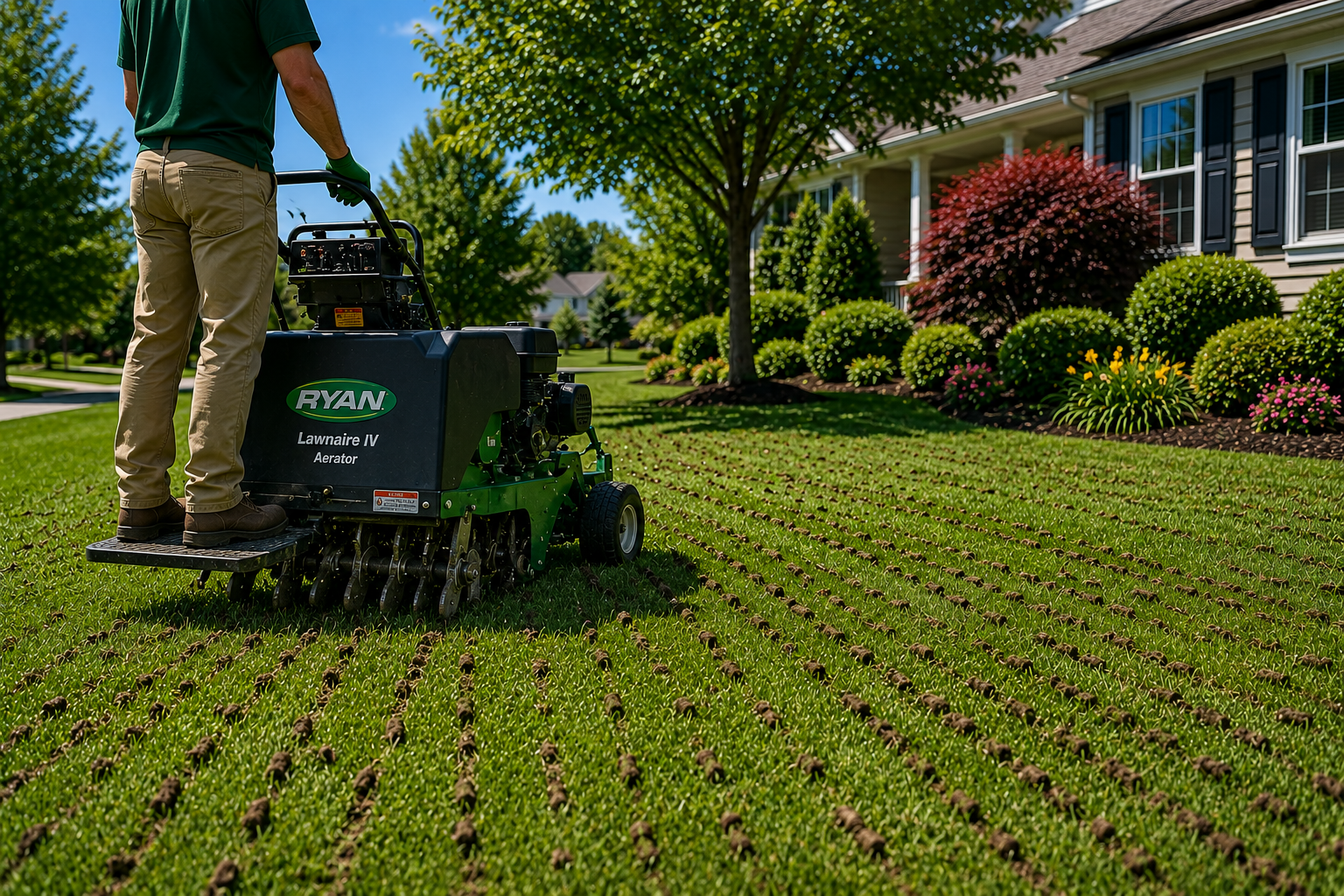
For most tall fescue lawns in Pennsylvania, September is the best month for core aeration and overseeding. The combination of cooler temperatures, warm soil, increased rainfall, and reduced summer stress creates ideal conditions for new grass seed to germinate and establish strong roots before winter.
Why September Is the Best Time
Tall fescue is a cool-season grass that grows most actively during spring and fall. By September, the intense summer heat has usually started to fade, but the soil remains warm enough to support fast seed germination.
September also gives newly planted grass several weeks to develop before colder weather arrives. This allows the young turf to build a stronger root system and better withstand winter conditions.
Compared with spring seeding, fall overseeding also faces less competition from crabgrass and other warm-season weeds.
What Is Core Aeration?
Core aeration uses specialized equipment to remove small plugs of soil from the lawn. These openings relieve soil compaction and allow water, oxygen, and nutrients to reach the root zone more effectively.
Aeration is especially beneficial for Pennsylvania lawns with:
Compacted or heavy soil
- Thin or stressed turf
- Heavy foot traffic
- Poor drainage
- Excessive thatch
- Damage from summer heat and drought
- The soil plugs left on the lawn naturally break down and return nutrients and organic matter to the soil.
Why Aeration and Overseeding Work Better Together
Aeration creates small openings throughout the lawn that improve seed-to-soil contact. When premium tall fescue seed is applied immediately after aeration, more seed reaches the soil instead of becoming trapped above the existing grass.
This gives the seed a better opportunity to absorb moisture, germinate, and develop healthy roots. Combining both services helps fill thin areas, improve turf density, and repair damage caused by summer stress.
Why Tall Fescue Needs Overseeding
Unlike some spreading grasses, tall fescue grows primarily in individual bunches. When a tall fescue plant dies, the surrounding grass may not spread quickly enough to fill the empty space.
Overseeding introduces new grass plants into thin and bare areas. A thicker lawn also leaves less open space for weeds to establish.
Regular fall overseeding can help improve:
- Lawn thickness and density
- Overall color
- Resistance to heat and drought
- Recovery from traffic and wear
- Resistance to weeds
- The appearance of bare or damaged areas
What Happens After Overseeding?
New tall fescue seed must remain consistently moist during germination. Light watering several times per day is often more effective than one heavy watering because it keeps the seedbed damp without causing runoff.
Once the new grass begins growing, watering can gradually become less frequent and deeper. The lawn should not be allowed to dry out during the early establishment period.
Homeowners should also limit heavy foot traffic and avoid mowing until the new grass reaches an appropriate height. When mowing resumes, use a sharp blade and avoid removing more than one-third of the grass blade at a time.
Should Starter Fertilizer Be Applied?
Starter fertilizer can provide nutrients that support early root development and establishment. It is commonly applied during overseeding, particularly when soil testing or lawn conditions indicate that additional nutrients would be helpful.
The correct product and application rate should be selected based on the lawn’s condition, local requirements, and the fertilizer label.
Can You Aerate and Overseed in Spring?
Spring overseeding is possible, but September generally produces better results for tall fescue lawns in Pennsylvania.
Spring seedlings must compete with weeds and survive summer heat before developing a mature root system. Spring seeding can also interfere with the timing of pre-emergent crabgrass control because many pre-emergent products can prevent grass seed from germinating.
September overseeding allows the new turf to establish during cooler weather and continue developing again the following spring.
Schedule Your September Aeration and Overseeding Early
September is a limited seasonal window, and professional aeration and overseeding appointments can fill quickly. Scheduling in advance helps ensure your lawn receives treatment during favorable growing conditions.
Turf Care PA provides professional core aeration, premium tall fescue overseeding, and starter fertilizer services throughout Southeastern Pennsylvania. Our locally tailored lawn care programs are designed to thicken thin turf, repair summer damage, and prepare your lawn for stronger growth the following spring.
Contact Turf Care PA to reserve your September aeration and overseeding service.