Turf Care Blog
Derek Spencer • June 14, 2026
The Turf Care PA blog is your local resource for building a healthier, greener lawn in Southeastern Pa. From seasonal fertilization and weed control to aeration, overseeding, and soil health, we share practical advice tailored to turf-type tall fescue and southeastern Pennsylvania growing conditions. Our goal is to help homeowners understand what their lawns need, when treatments should be applied, and how professional care creates stronger, longer-lasting results.
Organic Fertilizer vs. Traditional Fertilizer: What’s Better for Your Lawn?
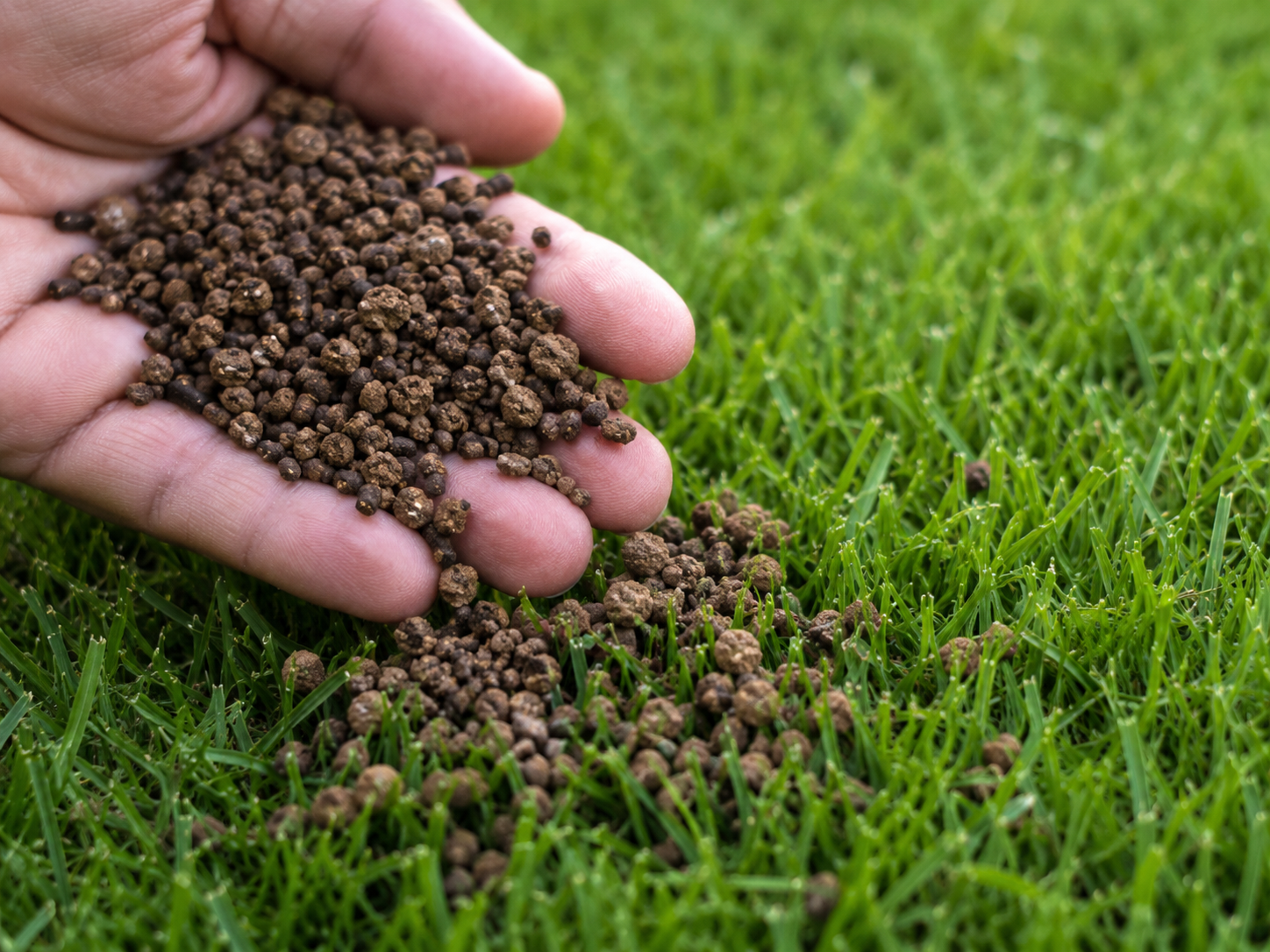
Homeowners throughout Southeastern Pennsylvania want lawns that are thick, green, and healthy—but choosing the right fertilizer can be confusing. Organic and traditional fertilizers can both provide valuable nutrients, but they work differently and offer distinct advantages. The best choice depends on your lawn’s condition, your expectations, and whether your priority is immediate color or long-term soil health.
What Is Organic Fertilizer?
Organic fertilizers are made from naturally derived materials that release nutrients as they break down in the soil. Rather than providing a quick surge of growth, they feed the lawn gradually while supporting the microorganisms that help create healthier soil.
Organic fertilization can improve soil structure, increase nutrient availability, encourage stronger root development, and help the lawn retain moisture more effectively. These benefits are especially valuable in Southeastern Pennsylvania, where lawns may experience compacted soil, summer heat, inconsistent rainfall, and changing seasonal conditions.
Because organic fertilizer releases nutrients more slowly, homeowners may not see an immediate color change. However, repeated applications can help build a stronger, more resilient lawn over time.
What Is Traditional Fertilizer?
Traditional fertilizer contains concentrated nutrients that are readily available to the grass. It is often used when a lawn needs faster green-up, stronger seasonal growth, or a specific nutrient correction.
One of the main benefits of traditional fertilizer is predictability. A professionally selected product can provide the exact amount of nitrogen, phosphorus, and potassium needed at a particular point in the growing season. This makes traditional fertilizer useful during spring green-up, after overseeding, or before winter dormancy.
However, more fertilizer is not always better. Applying too much product, using the wrong formula, or fertilizing during stressful weather can damage the lawn or produce excessive top growth without developing stronger roots.
Which Fertilizer Produces the Greenest Lawn?
Traditional fertilizer generally delivers faster visible results because its nutrients become available more quickly. Organic fertilizer works more gradually, but it helps improve the environment in which the grass grows.
For many lawns, the most effective approach is not choosing one or the other. A professionally managed program can combine organic-based fertilizers with carefully timed traditional nutrients when faster results or specific nutritional support are needed.
This balanced approach provides noticeable color while continuing to improve soil health and long-term turf performance.
What Works Best for Tall Fescue in Southeastern Pennsylvania?
Turf-type tall fescue is one of the most common lawn grasses in Southeastern Pennsylvania. It performs well in our climate, but it can become thin after summer heat, drought, heavy foot traffic, or disease pressure.
Tall fescue benefits from consistent nutrition, but the timing of each application is extremely important. Heavy fertilization during the hottest part of summer can place unnecessary stress on the grass. Organic-based fertilizer is often a good summer option because it provides slower, gentler feeding. More targeted fertilization can then be applied during fall, when tall fescue is actively growing and developing its root system.
Aeration and overseeding also play an important role. Fertilizer can support healthy growth, but it cannot replace grass plants that have already died or fill large bare areas on its own.
Is Organic Fertilizer Safer?
Organic fertilizer is commonly viewed as a gentler lawn care option because nutrients are released more slowly. However, every lawn product must still be applied correctly and according to its label.
The word “organic” also does not automatically mean that a product is completely risk-free or appropriate for every property. Professional application rates, timing, weather conditions, and proper cleanup remain important regardless of the fertilizer being used.
The Best Choice for Your Lawn
Organic fertilizer may be the better choice when the goal is to improve soil health, encourage steady growth, and build long-term lawn resilience. Traditional fertilizer may be more appropriate when the lawn needs faster green-up, starter nutrients after overseeding, or a precisely timed seasonal application.
For many Southeastern Pennsylvania lawns, a customized program that uses both approaches provides the best overall results. The lawn receives the nutrients it needs while the soil gradually becomes healthier and more productive.
Premium Lawn Care for Southeastern Pennsylvania
Turf Care PA is a locally owned lawn care company providing personalized service throughout Southeastern Pennsylvania. Unlike large national chains that rely on standardized treatment plans, we carefully time our organic fertilization, weed control, soil conditioning, aeration, and overseeding services around the needs of local lawns.
Our goal is not simply to create temporary color. We focus on developing thicker turf, stronger roots, healthier soil, and lasting results for homeowners who expect a higher level of lawn care.
Contact Turf Care PA to learn more about creating a customized treatment program for your property.